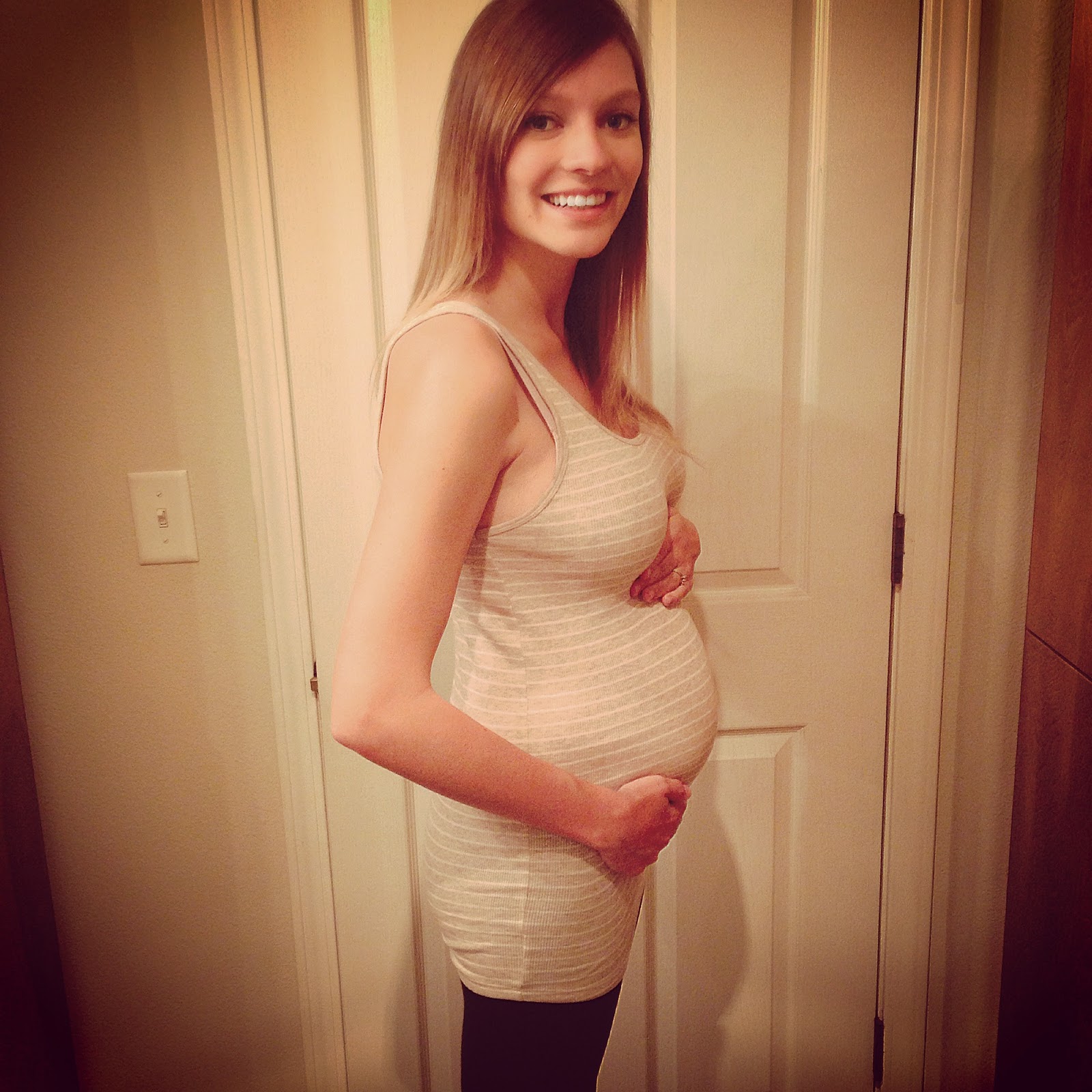

On September 1st, 2014, my husband, Ben, and I flew to Oak Harbor, Washington to be in a wedding of very close friends of ours. As soon as I got off the plane, I realized I was experiencing Braxton hicks. It’s not uncommon to have Braxton hicks at this point in my pregnancy but I still kept in contact with my doctor to see what was normal throughout the week. After that week, not much had changed. I was still having contractions but I took my doctor’s advice that it was normal and on Sunday, September 7th, we set sail for our Alaskan cruise.
Everything was set and we were about to board the ship until a woman handed us a slip of paper with three questions
1.) Are you experiencing vomiting or nausea?
2.) Are you experiencing any respiratory problems?
3.) Will you be entering your 24th week of pregnancy during the week of your cruise?
Confused, I had to answer yes. I was never asked this question when I booked the cruise. I handed the paper back and she looked concerned. After calling the ship nurse, she informed us that it’s against the cruise line policy to allow women in or entering their 24th week of pregnancy but she allowed us to be the exception and we boarded the ship with no other questions asked.
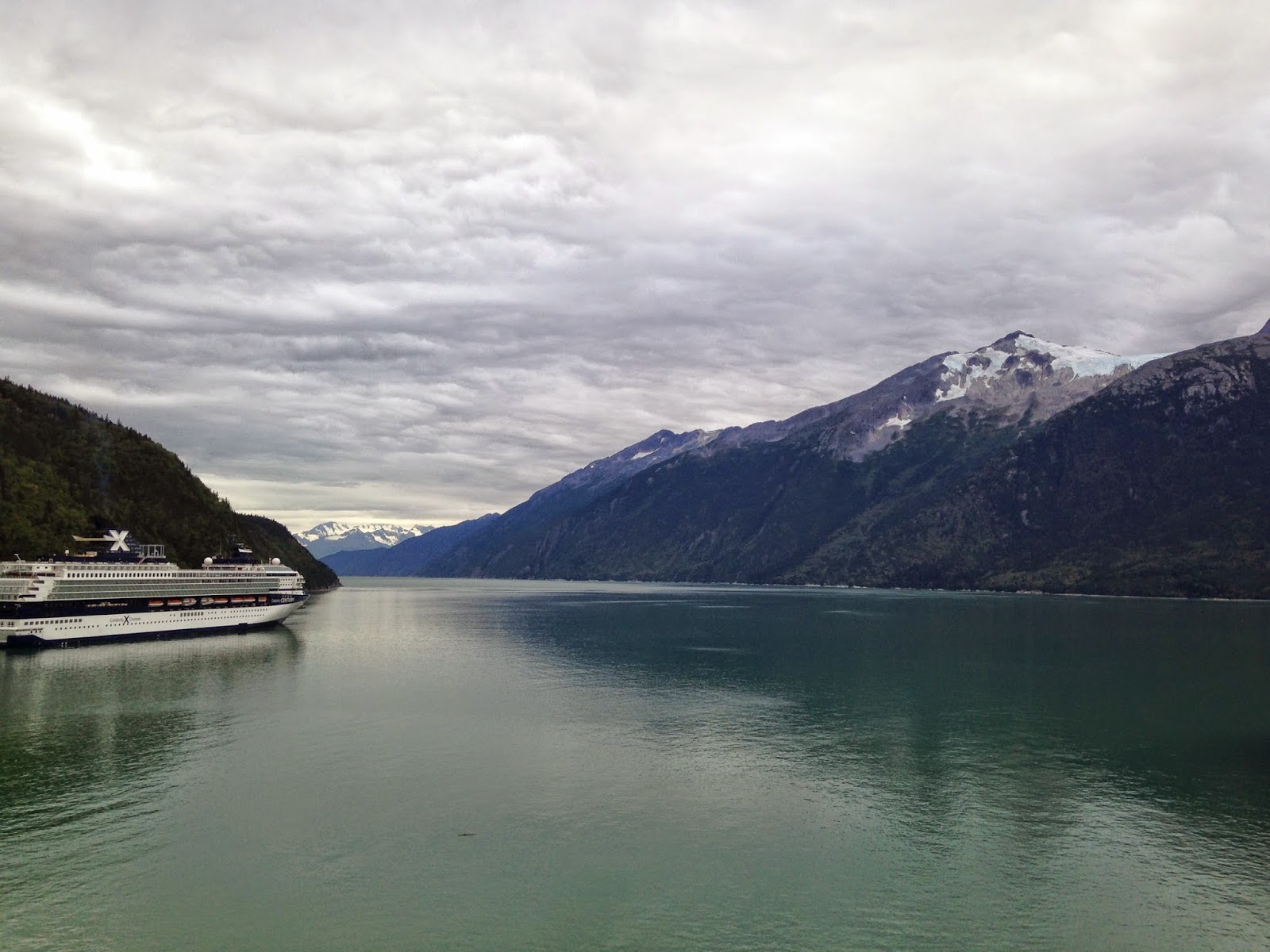
The cruise was amazing. Alaska was so beautiful and we couldn’t have asked for better weather this time of year. I was still having contractions but they seemed to be getting better. Until the night of September 11th, they became very frequent and began to grow in intensity. I decided to take it easy and go to sleep early. Until suddenly I woke up in horror “God, please let this be a nightmare”, I was laying in a pool of blood. “Call 911, Ben, I’m bleeding”.
The emergency staff wheeled me to the cruise ship’s medical center. I was greeted by an anxious nurse who couldn’t seem to fathom why I was even allowed on the ship during my 24th week of pregnancy. But it was too late to get into that now. I was there and I was bleeding heavily.
We had just spent the day in Glacier Bay National park and the cruise ship was in the middle of the sea. We were 60 miles from the nearest town and the medical center on-board the ship was nowhere near equipped to handle my medical emergency.
Before we knew it, things began to quickly get worse. I was now bleeding heavily into a bedpan, it measured out to be 500ccs, a loss of more than two cups of blood. The nurse pointed out a puddle of water and concluded that my water had broken. I couldn’t seem to catch up with all of the chaos that flooded the room.
The nurse attempted to listen for Malachi’s heartbeat through a stethoscope. I insisted I could feel him move, but after seeing how much blood I was losing, she seemed to disagree. Maybe I was in denial, maybe he wasn’t truly kicking, these thoughts began to consume me until I felt him kick precisely beneath the stethoscope. Finally, she believed me.
“We have to get you off the ship as soon as possible.” The nurse said without hiding her fear for our lives. I stared up at the ceiling and asked God, “Is this it? Am I going to die? Is Benjimon really going to lose both his unborn baby and his wife right now?” And the only thing I could hold onto was Psalm 46:10 “Be still and know that I am God.” I kept repeating it over and over in my head and finally, there was peace. It wasn’t a peace knowing that Malachi would be okay, it was a sense of comfort knowing that God was in control and He was still good, no matter the outcome. It was a sense of peace that seemed to surpass all of my understanding because this circumstance was anything but peaceful.
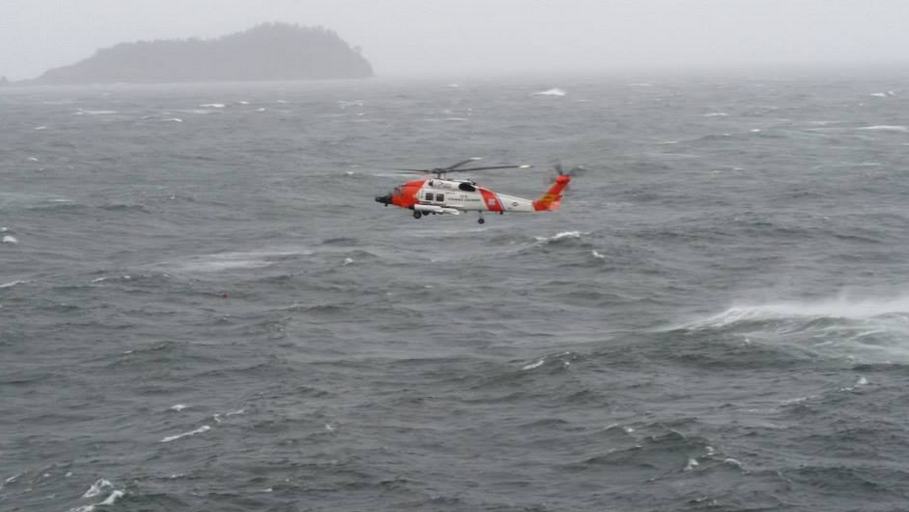
The staff called the Coast Guard and I waited to be airlifted off the ship and taken to the nearest hospital in Sitka, Alaska. In addition to this, we were told there may not be enough room for Ben on the helicopter. I tried to keep calm but everything was so chaotic. I was so far from the medical care I needed and I knew it was possible, in fact, quite likely I could bleed out and die as I waited to make it to a place where they could take care of me. But knowing Ben might not be with me was unfathomable.
The helicopter finally arrived, it was stormy out and they couldn’t land on the ship so I had to be strapped into a stretcher and lifted up on a cable. There, we were told what we had dreaded hearing “There isn’t enough room for you.” The Coast Guard member looked over at Ben, his eyes filled with sorrow. At this point, I began feeling nauseous and now fighting the urge to throw up as I laid flat on my back.
Regardless, I forced myself to remain calm for Ben and Malachi. Ben kissed me and I gave him a thumbs-up as they strapped me in, told me to close my eyes, and pulled me into the helicopter.
Finally, it was time. The helicopter wasn’t able to land on the ship so I had to be hoisted up by rope on a stretcher. I could feel the aggressive breeze of the helicopter in my face while I dangled in the air. Even though I tried to clench my eyes shut, they still blew open. Tears streamed down my face and into my ears. I couldn’t tell if I was crying because of what was happening or because of the violent winds slamming my face. I could feel my husband watching helplessly from afar as each pull brought me closer to the helicopter.
Once they pulled me in, I could see the Coast Guard becoming frantic. As if it all weren’t enough, they couldn’t close the door of the helicopter. It was windy out and I could feel the helicopter being pushed back and forth by the storm. He pulled out a large knife began banging on the door to try to do anything he could to get it closed.
From the ship, Ben stood silently, watching, wondering why we remained hovering over the ship. “Did she die? Were the Coast Guard members unsure of whether to stay and break the news?” These thoughts flooded his mind as he frantically wondered why we weren’t moving.
Finally, after an unnecessarily long struggle, the Coast Guard member was able to pry the door shut and we were on our way. It was extremely loud and I was strapped flat on my back. My contractions were still frequent and intense but there was nothing I could do to bring relief.
I was hooked up to an IV and noticed it began leaking down my arm and onto my wedding ring. I kept turning it to see the diamond. Maybe this was some sort of a coping mechanism. One of the Coast Guard members caught onto this. She took my hand and turned my ring so that I could see the diamond. I looked up at her and we made eye contact. I guess it was my way of thanking her in the midst of such a great tragedy.
My blood pressure dropped to dangerously low levels and I was in and out of consciousness. Another Coast Guard member would shake my arm any time I started to give in to passing out.

After an hour and a half, the helicopter landed at the Sitka airport and they sent me off in an ambulance. The ride was bumpy but it didn’t take very long to get there. The EMT’s and a Coast Guard member chatted away. They talked about this year’s salmon fishing season, one EMT said he made $10,000 this year. The Coast Guard member replied by saying “not bad”. It was odd to me, that they could speak so casually while I laid there silently fighting for my life.
We made it to the hospital, it seemed completely empty aside from a few nurses. One nurse introduced herself, her name was Vicki, and warmly welcomed me to Sitka. “We are going to try to get you to Seattle as soon as possible. You can’t deliver here, we won’t be able to do anything for Malachi. Our equipment is just not small enough for a 23 weeker” Although that news didn’t surprise me, it still was agonizing to hear. What would it look like to deliver a baby that was so small?
It was 2am, and my flight to Seattle wasn’t until 8am. I was given an IV of magnesium sulfate so Malachi’s brain wouldn’t bleed if he were to be born within the next 24-48 hours and also a steroid shot for his lungs to develop more quickly. The magnesium made me feel really hot and groggy.
I got a call from Ben, I could hear his voice but he couldn’t hear me. This reminded me of a recurring nightmare I had in the past. He called back and told me he was headed to our next stop on the cruise which was Ketchikan. From there, he would catch a flight to meet me in Seattle.
Everything after that was a blur as I waited for the medivac, hoping and praying I wouldn’t go into labor. I had an ultrasound to check my amniotic fluid because we had believed my water had broken.
During the ultrasound, Malachi’s heart rate dropped significantly. It was in the 80s, and I knew it was supposed to be at least 120. I thought I was watching him die on the ultrasound. How did we know to time the ultrasound so I could witness his last few heartbeats? “I’m so sorry Malachi.” The room fell quiet as we all just watched and listened for every slow beat. Then to our surprise, it picked back up again. I was glad but I still knew it was far from over.
As it was nearing the time for me to leave, the nurse gave me a beanie she hand-knit for her patients. “When Malachi is big enough to wear this, I want you to send us a picture of him in it.” I always thought that people in the medical field were not supposed to give false hope. But it was everything I needed; a piece of hope that I could literally hold in my hand.
The jet had arrived at the Sitka airport, I was placed back in an ambulance and we were on our way to the airport. I have never ridden in a private jet before but under these circumstances, I had no bragging rights. I found myself back in that helpless place, knowing if anything were to happen, nothing could be done to save Malachi or myself.
It was a two-hour flight and I was monitored closely. I could feel my contractions as I watched the steep mounds form on the screen. I laid strapped into a bed and couldn’t move much at all.
But somehow, I didn’t long for the freedom of being able to move. For, I knew that if I did move, I may hemorrhage even more without having the resources to stop it mid-air. All I had left to do was to pray, I just wanted relief but I still couldn’t see any.
Somehow, I was able to see out the window. What I saw was beautiful. The sun rose over snow-covered mountains at an angle I’d never seen before. Even though this moment of distraction was brief, it was almost captivating.
We finally landed in Seattle and I was back in an ambulance on my way to the University of Washington Medical Center. It was a quick and bumpy ride, even though I knew I was finally going to be in a place where they could help Malachi and myself, I still couldn’t shake the fear of losing him. He was still so small and fragile. I knew that 23 weeks was still not technically considered viable.
I longed for us to just be safe and I knew that his chances of survival were so low. Even if he did survive the birth, his chances of having major, life-threatening disabilities were also on the line.
“We have a patient that needs to be transferred to L&D.” I heard the EMT say on the phone. Labor and delivery? “Please, God, not yet” I prayed. I’m not sure why it was such a shock to hear the EMT say the words “L&D” But either way, I couldn’t believe that I was here. I was just whale watching, enjoying my anniversary with Ben. And yet, less than 24 hours later, I found myself alone in the labor and delivery unit.
Even though my husband wasn’t with me, I was greeted by a very sweet nurse named Mary. She was so comforting and I finally began to feel less alone.
After only a few minutes of being in the hospital room, the phone rang, it was Ben. He made it on the first flight from Ketchikan and had just landed in Seattle.
Moments later, we were finally reunited. His eyes were stained with tears as he tried to smile at me. It was another reminder of how horrible all of this was. Regardless, it was so comforting to see him after everything I had to go through alone. For the first time, I felt some relief knowing my husband was finally going to be by my side and we wouldn’t have to be apart anymore.

Not long after Ben arrived, I was greeted by a team of doctors, their faces each stoic as if they were trying to detach themselves from any visible emotions. “After reviewing your ultrasound, we’ve discovered that you are experiencing a placental abruption. We want you to know that some women decide to terminate their pregnancies because they can’t handle the emotions of having a high-risk pregnancy. At this point, the fetus isn’t considered viable and the chances of survival are minimal.” I began to miss the nurses in Sitka, at least they called Malachi by name, instead of referring to him as a fetus or “it”. But, what if they were wrong? What if Malachi could be born perfectly healthy?
After kindly declining the option to end Malachi’s life, I was told that every day I could remain pregnant would mean three less days for Malachi to spend in the NICU. So, that day I asked God for one more day.
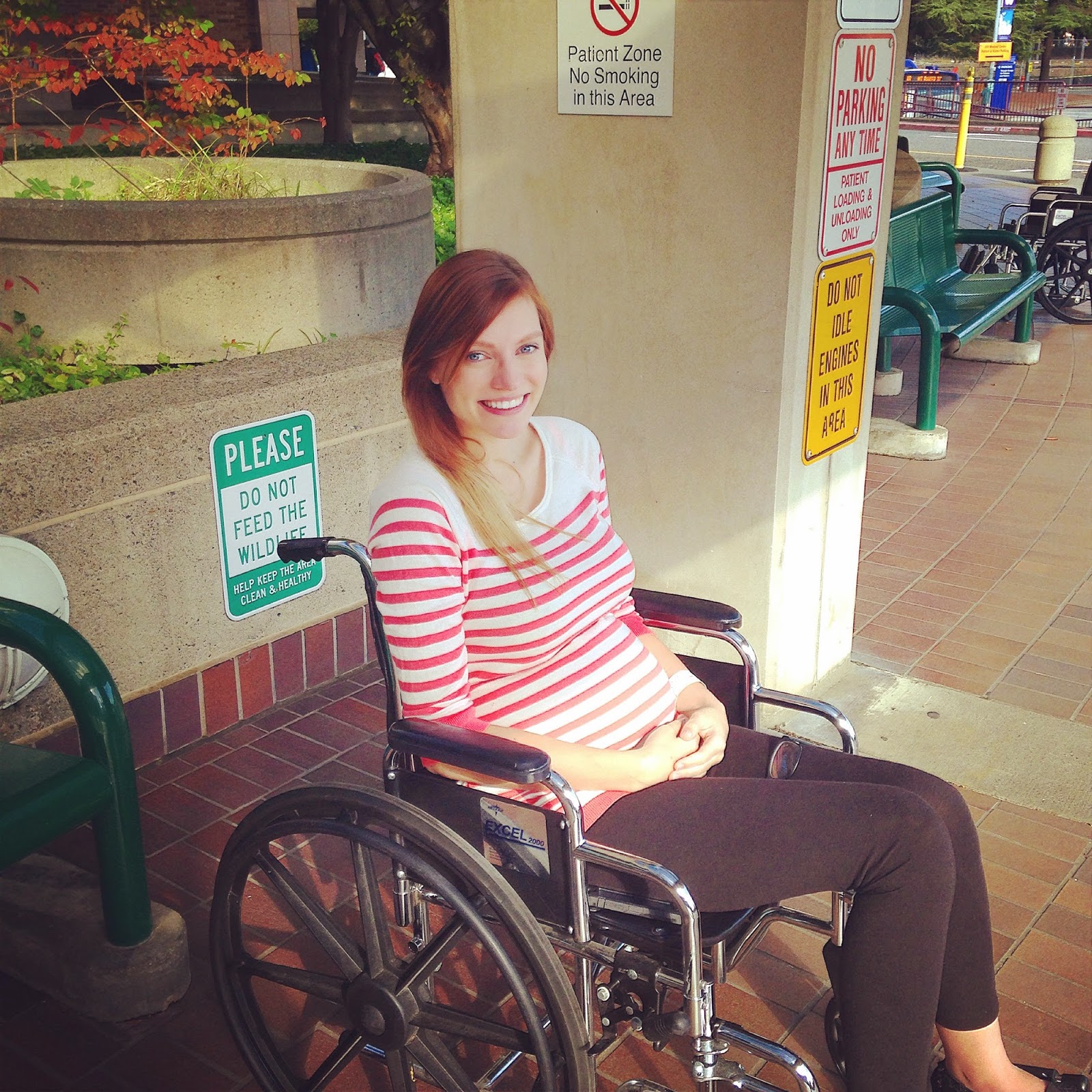
He answered my prayer and that day turned into another. Then, those days turned into weeks as we watched Malachi’s chances of survival grow. One week, it was just over 17%, the next 39%, 50% and on and on it went. Finally, after two months of being in the hospital, we became stable enough to be discharged to the hospital housing. I would go back into the hospital to be monitored three times a week and every time, the doctors were amazed at how great Malachi was looking.

Then finally, on December 22nd, at the ripe, full-term gestational age of 38 weeks and 2 days, it was time. I was going into labor. The day I thought would come too soon arrived at just the right time. Malachi was ready to be born and he would be just fine. I was back in L&D but this time, I had returned with great joy.
As it was nearing time to push, the same team of doctors that offered to terminate the pregnancy stood to witness the birth of this miracle baby. I’ll never forget the look on their faces. Maybe they were filled with sorrow over even suggesting to end this baby’s life.
Finally, the moment had arrived. God had answered our prayers. Malachi was here and he was perfect.
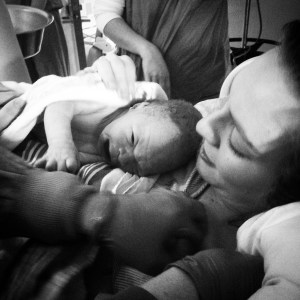
After Malachi’s first check-up, we were finally able to go home from the trip we thought would be a week-long getaway. Little did we know, we would be embarking on a four-month long season of hoping and waiting for our Malachi Truth.

A few weeks after arriving home, I came across something that made me cry as I remembered everything that had happened. It was that piece of hope that I held in my hands as I was told the chances of Malachi’s survival were so slim. It was the beanie that I never imagined would fit.

I picked it up and looked at it as tears streamed down my face, I placed it on his head. Not only was it able to fit, but it was already slightly small. “We did it, Malachi,” I said as he looked at me with curiosity and wonder. This was a milestone I never thought I would reach and yet here we were.
I was never able to get a hold of the nurse in Sitka who gave me the beanie. I called the hospital in Sitka and it turned out she was a travelling nurse and they couldn’t give me any of her information. I think her name is Vicki. If you ever stumble across this blog, Vicki, I just wanted to say thank you for being so hopeful when things were not looking good.
I was, however, able to get a hold of the Sitka Coast Guard and thank them for their service. They told me they don’t hear from the people the rescue very often and were very pleased to hear from me. Our story is even featured on their Facebook!
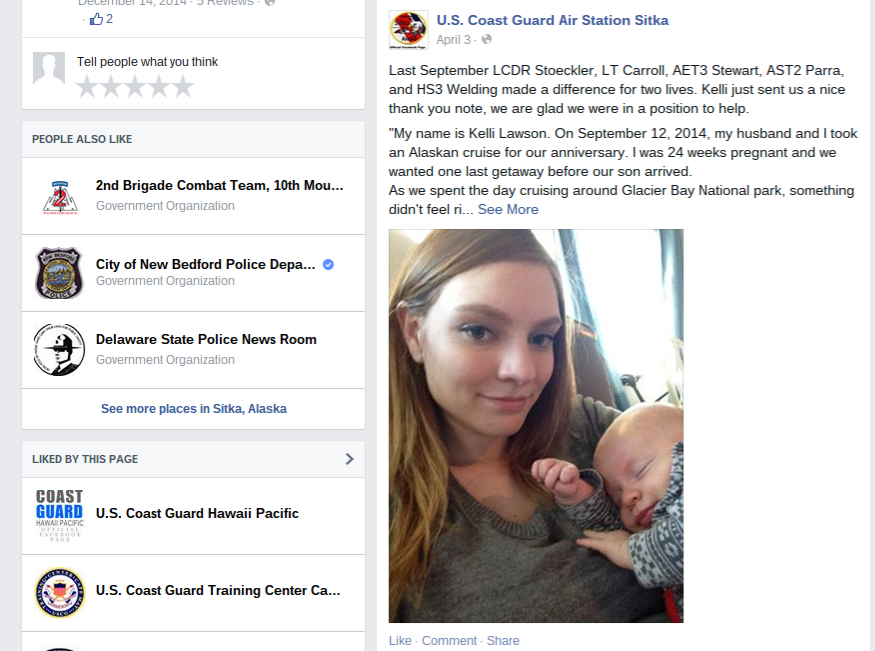
“Thank You, Jesus, for answering our many prayers, thank You for my perfectly healthy baby boy.” Thank you to everyone who kept us in your prayers. If you ever struggle with wondering if God hears your prayers, I hope you read this and are encouraged that there is a God who truly does hear and answer our prayers, even the ones that seem impossible. Because with Christ, all things are possible.

Malachi is now a perfectly healthy five year old. To this day, he has not experienced any complications from the high-risk pregnancy. He loves hearing the story about being rescued by the helicopter and is best friends with his younger brother Elias and baby sister, Amelie.
 Miracle Malachi